Basic Tolerances, Cut Feature Relationships, and how Ameritex Machine & Fabrication Maximizes Value for your Project.
Understanding basic tolerances is essential in metal manufacturing. Ameritex strategically uses tolerances to ensure that your part fits and functions exactly like you intend them to. Tolerance defines the permissible limits of variation in a part’s dimensions. This ensures that components fit together correctly. Tolerances play a vital role in the design and manufacturing process. They impact the functionality and longevity of hardware. Our engineering-focused approach helps customers design parts that perform reliably in the field. Every project benefits from our attention to detail, ensuring components interface properly and extend product lifespan.
Cut features like countersinking, tapping, and screw holes are directly affected by tolerances. These features require precise specifications to function properly. Proper tolerance selection can reduce costs and improve product quality. Tolerance analysis helps predict variations in assemblies. It ensures that all parts fit together as intended. This analysis is essential for effective design for manufacturing.
Engineers must balance precision with manufacturing capabilities. Tighter tolerances often require more precise processes, increasing costs. Understanding this balance is key to optimizing production efficiency.
In this guide, we examine how tolerances impact cut features and how Ameritex helps engineering teams design parts that are manufacturable, cost-effective, and fit perfectly the first time.
What Are Basic Tolerances?
Basic tolerances define acceptable dimensional variation so that manufactured parts fit and function as intended. Ameritex uses industry standards as a foundation, then tailors tolerances based on your specific requirements.
Tolerances are essential for several reasons. They ensure interchangeability, consistent performance, and reliable assembly across production runs. Ameritex applies linear, angular, and geometric tolerances depending on part geometry and functional requirements.
Linear tolerances relate to length and width, angular tolerances govern rotation, and geometric tolerances ensure shape and position accuracy. When our engineering team evaluates a part, we assess factors such as material behavior, design intent, and process capability to select the most appropriate tolerance strategy.
Correct tolerance selection reduces waste and improves repeatability—saving customers time and cost. At Ameritex, mastery of tolerance control is a key contributor to the consistent quality we deliver.
Tolerances can be categorized into different types. Primarily, they consist of:
- Linear tolerances
- Angular tolerances
- Geometric tolerances
Each type serves a unique purpose. Linear tolerances apply to straight measurements like length and width. Angular tolerances control rotation and angles, while geometric tolerances focus on shape and position.
The choice of tolerance depends on several factors. Part complexity, material properties, and manufacturing methods all influence this choice. Engineers must weigh these considerations carefully.
Understanding and selecting the right tolerances improve product quality. It reduces waste and mitigates manufacturing defects. This foundational knowledge is essential in engineering design and manufacturing processes.
Basic tolerances are thus a cornerstone of successful metal manufacturing. Mastering them can lead to enhanced efficiency and greater control over production outcomes.
The Role of Tolerances in Metal Manufacturing
Tolerances are indispensable in metal manufacturing. They determine the permissible range of variation in the size and shape of parts. This ensures all parts fit together seamlessly.
In metal manufacturing, tolerances affect both production and final assembly. They influence the choice of machinery, tools, and techniques. Precision in these areas is crucial to meet desired outcomes.
With the right tolerances, manufacturers can reduce costs. Less material waste and fewer rejected parts can enhance profitability. Furthermore, tolerances can lead to a smoother assembly process.
Engineers have to keep several factors in mind when setting tolerances:
- Material type and properties
- Complexity of part design
- Manufacturing process capabilities
Each of these elements plays a key role in determining appropriate tolerance levels. The right balance helps achieve the intended function and design of the product.
Well-defined tolerances also impact quality and reliability. They ensure that parts will meet performance standards over the product’s lifecycle. Ultimately, they contribute significantly to the success of manufacturing operations.
Types of Tolerances: Dimensional and Geometric
Tolerances fall into two main categories: dimensional and geometric. Each plays a distinct role in ensuring precise manufacturing outcomes. Understanding both types is crucial for effective engineering.
Dimensional tolerances specify allowable variations in size. They focus on the length, width, and diameter of parts. These tolerances ensure that parts fit together correctly, minimizing gaps and overlaps.
Geometric tolerances go beyond dimensions. They describe the shape, orientation, and location of features on a part. This includes ensuring flatness, parallelism, and roundness, among other aspects.
Engineers must carefully select and apply these tolerances to achieve desired functionality. Consider these key factors when specifying tolerances:
- Functional requirements of the part
- Material properties influencing tolerances
- Complexity of the design and available manufacturing technology
Each type of tolerance interacts with the other. Dimensional tolerance might influence geometric tolerances and vice versa. Proper application of these tolerances ensures that parts not only fit but function properly, leading to a product that meets both design and user requirements effectively.
Cut Features: Countersinking, Tapping, and Screw Holes
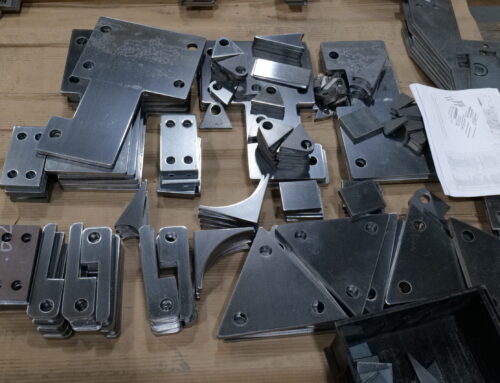
Cut features like countersinking, tapping, and screw holes are critical in metal manufacturing. Each process has unique requirements and benefits, making them integral to assembly.
Countersinking involves creating a conical hole. This hole allows screw heads to sit flush or below the surface. The design is crucial for aesthetic purposes and structural integrity in assemblies.
Tapping refers to creating internal threads within a hole. These threads accommodate screws or bolts securely. It’s essential for ensuring a tight assembly and preventing part movement.
Screw holes are straightforward yet vital. They’re drilled to specific sizes to accommodate screws efficiently. Proper planning of these holes is necessary to avoid misalignments in assembly.
Key considerations when designing these cut features include:
- Aligning hole sizes with standard screw and bolt dimensions
- Material properties influencing cutting techniques
- Ensuring adequate space for tools and fasteners
Understanding how these cut features interact with basic tolerances is essential. Each process requires precise dimensioning and positioning to function effectively. Without careful planning and implementation, there may be issues such as misaligned parts, loose assemblies, or even structural failures. By considering these aspects, engineers can ensure both functionality and durability in their designs.
How Tolerances Affect Cut Features
Basic tolerances are vital in shaping the functionality of cut features. They determine if components like countersinking, tapping, and screw holes meet design criteria. This directly impacts assembly quality and product performance.
Tolerances influence how snugly parts fit together. A too-loose tolerance might lead to parts that rattle or fall apart. Conversely, overly tight tolerances can make assembly impossible or cause material stress.
For countersinking, tolerance dictates the diameter and angle of the conical hole. Poor tolerance can result in screw heads that sit unevenly. This may cause stress concentration points, weakening the structure.
In tapping, proper tolerance ensures threads engage effectively, providing the necessary load support. Misalignment due to incorrect tolerances can lead to stripped threads or failed connections.
Consider these effects of tolerance on cut features:
- Size variations affecting part fit
- Angle discrepancies in countersinking
- Thread misalignments in tapping
- Dimensional control in screw holes
By understanding tolerance implications, engineers can design parts that fit together well. This ensures manufacturing processes are efficient, final products are durable, and assemblies meet intended functions. Good tolerance control leads to fewer defects and lowers production costs, ensuring overall success in metal manufacturing.
Tolerance Analysis and Stack-Up in Assemblies
Tolerance analysis is a critical engineering tool. It helps predict how variations in part dimensions affect an assembly. By understanding these variations, engineers can ensure parts will fit and function as intended.
The concept of stack-up is key in this process. Stack-up analysis examines the cumulative effect of individual tolerances across parts. This helps avoid issues where small variations add up to cause significant misalignments.
Proper tolerance analysis can prevent assembly failures. It identifies potential problems early in the design phase, saving time and cost down the line. Engineers can adjust tolerances to better suit manufacturing capabilities and assembly requirements.
List of benefits of conducting tolerance analysis:
- Improves fit and function of assemblies
- Reduces the potential for assembly failures
- Minimizes production costs by optimizing tolerances
- Facilitates early detection of design issues
Using stack-up analysis, engineers can better estimate the limits of variation in an assembly. This leads to smoother production processes and more reliable products. By prioritizing tolerance analysis, companies enhance product quality and customer satisfaction. Understanding these variations is key to mastering both design and manufacturing efficiency.
How to Design for Manufacturing: Best Practices
Designing for manufacturing (DFM) is crucial to creating efficient, cost-effective products. It requires understanding manufacturing processes and their limitations. This knowledge helps in specifying tolerances that match production capabilities.
One key aspect of DFM is collaboration. Engineers should work closely with manufacturing teams to align design with production methods. This teamwork ensures that designs can be manufactured without unnecessary complications.
Choosing the right materials is also vital. Material properties can significantly influence tolerances and manufacturing techniques. Selecting materials that are compatible with desired tolerances will simplify the process and reduce costs.
Adopting best practices in DFM involves several principles:
- Keep designs simple to minimize production costs.
- Design with standard tolerances wherever possible.
- Use features that align with existing manufacturing capabilities.
- Optimize part geometry to avoid complex machining or excessive material waste.
- Consider assembly methods and ease of assembly during the design phase.
Continuous feedback loops between design and manufacturing teams are beneficial. These feedback loops can highlight areas of improvement and reduce errors. Moreover, using CAD software with tolerance analysis tools helps in refining designs before production begins.
Ultimately, understanding the balance between design creativity and manufacturing pragmatism is key. Effective DFM ensures that products are not only innovative but also feasible to manufacture efficiently.
Common Mistakes and How to Avoid Them
Designing with tolerances can be complex, and errors are common. A frequent mistake is specifying overly tight tolerances, which can drive up costs unnecessarily. It’s important to balance precision with practicality.
Miscommunication between design and manufacturing teams often leads to mistakes. Ensuring clear documentation and regular meetings can help avoid this. Teams must be on the same page regarding tolerance expectations and capabilities.
Another mistake is failing to consider the full impact of tolerances on product functionality. Engineers must analyze how tolerances will affect assembly and usage.
To avoid these issues, follow these guidelines:
- Always question if tight tolerances are truly needed.
- Foster open dialogue between all involved teams.
- Use tolerance analysis to anticipate potential functional impacts.
- Review and update design specifications regularly to match capabilities.
By being mindful of these common pitfalls, projects can proceed more smoothly. Avoiding these mistakes will result in more reliable products and efficient manufacturing processes.
Conclusion: The Importance of Understanding Basic Tolerances
Grasping the concept of basic tolerances is crucial in engineering and metal manufacturing. Tolerances ensure parts fit together correctly, affecting product quality and functionality. By understanding tolerances, engineers can improve cost efficiency, product durability, and ease of assembly.
Proper tolerance selection is vital for achieving successful designs. It bridges the gap between design intent and manufacturing capabilities. With knowledge of tolerances, both design and manufacturing teams can work together more effectively, leading to high-quality products that meet or exceed user expectations.
Need help with tolerances for your next project, enclosure, panel, or bracket?
Send us your model or drawing—we’ll recommend the fastest, most cost-effective path.
Request a quote.