Can you recommend the best materials for making durable curved plates?
When it comes to crafting durable curved plates, selecting the right materials is crucial. The choice of material impacts not only the strength and longevity of the plates but also their resistance to various environmental factors. Whether you’re in the field of custom metal manufacturing or simply curious about high-strength plates, understanding the best materials for this purpose is essential.
Before delving into material options, it’s important to understand what makes a curved plate durable. Key factors include tensile strength, corrosion resistance, and the ability to maintain structural integrity under stress. These factors ensure that the plates can withstand heavy loads and harsh conditions, making them suitable for various industrial applications.
Stainless Steel: A Top Contender
Why Stainless Steel?
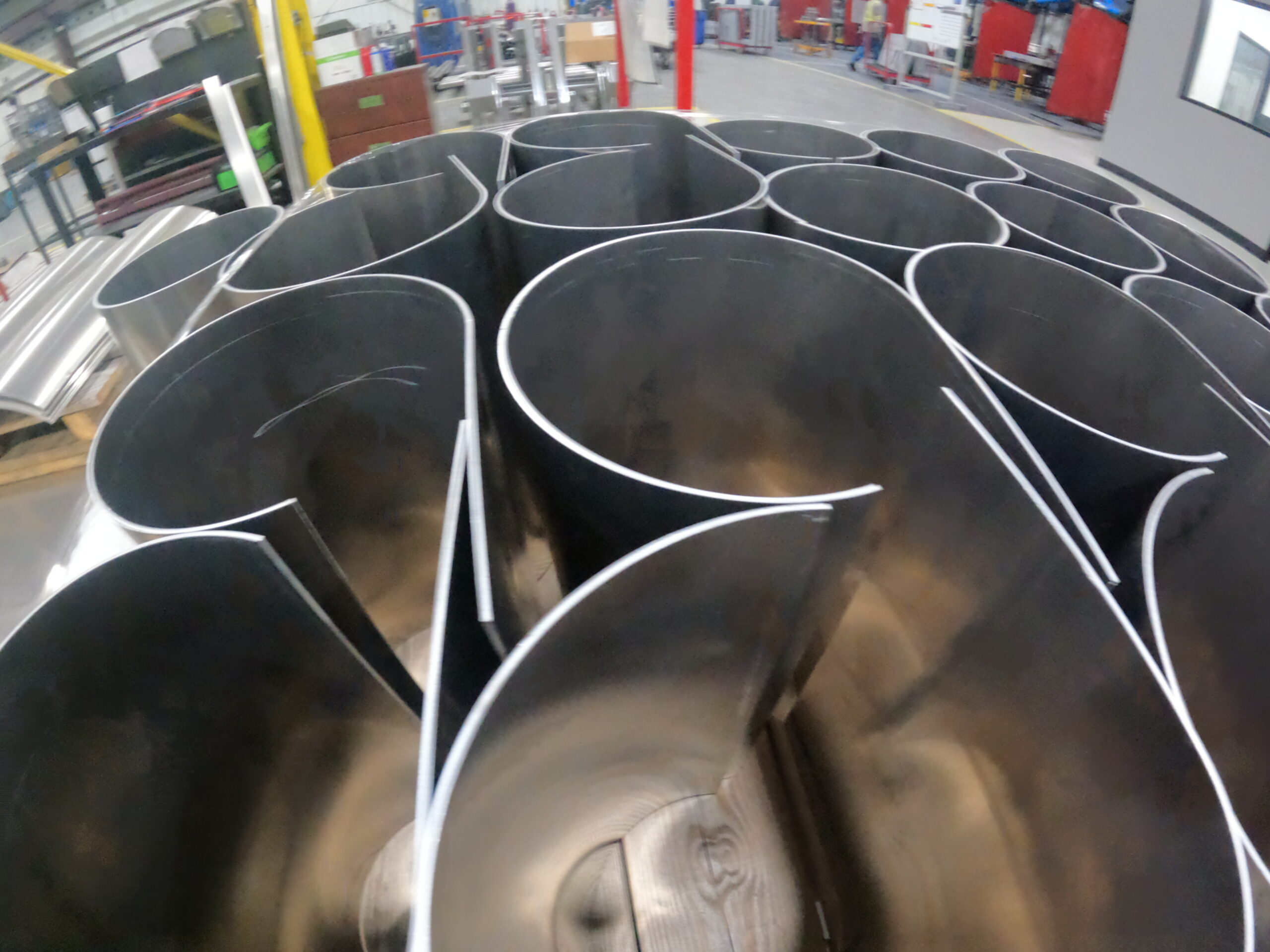
Stainless steel is often the go-to material for making durable curved plates. Its popularity stems from its excellent corrosion resistance, high tensile strength, and versatility. Stainless steel plates are known for their ability to withstand extreme temperatures and resist wear and tear over time.
Types of Stainless Steel
There are various types of stainless steel, each with unique properties. For curved plates, the most common types include:
- Austenitic Stainless Steel: Known for its high corrosion resistance and good formability, making it ideal for curved applications.
- Ferritic Stainless Steel: Offers good corrosion resistance and is less expensive than austenitic stainless steel.
- Martensitic Stainless Steel: Provides high strength and hardness, suitable for applications requiring wear resistance.
Exploring Other Metal Options
Carbon Steel
Carbon steel is another viable option for curved plates. It offers high strength and affordability, making it a popular choice in many industries. However, its susceptibility to rust means it may require additional coatings or treatments to enhance its durability.
Aluminum
Aluminum plates are lightweight and resistant to corrosion, which makes them a good choice for applications where weight is a concern. Despite being softer than other metals, aluminum can be alloyed with other elements to improve its strength.
Custom Metal Manufacturing Techniques
Rolling and Bending
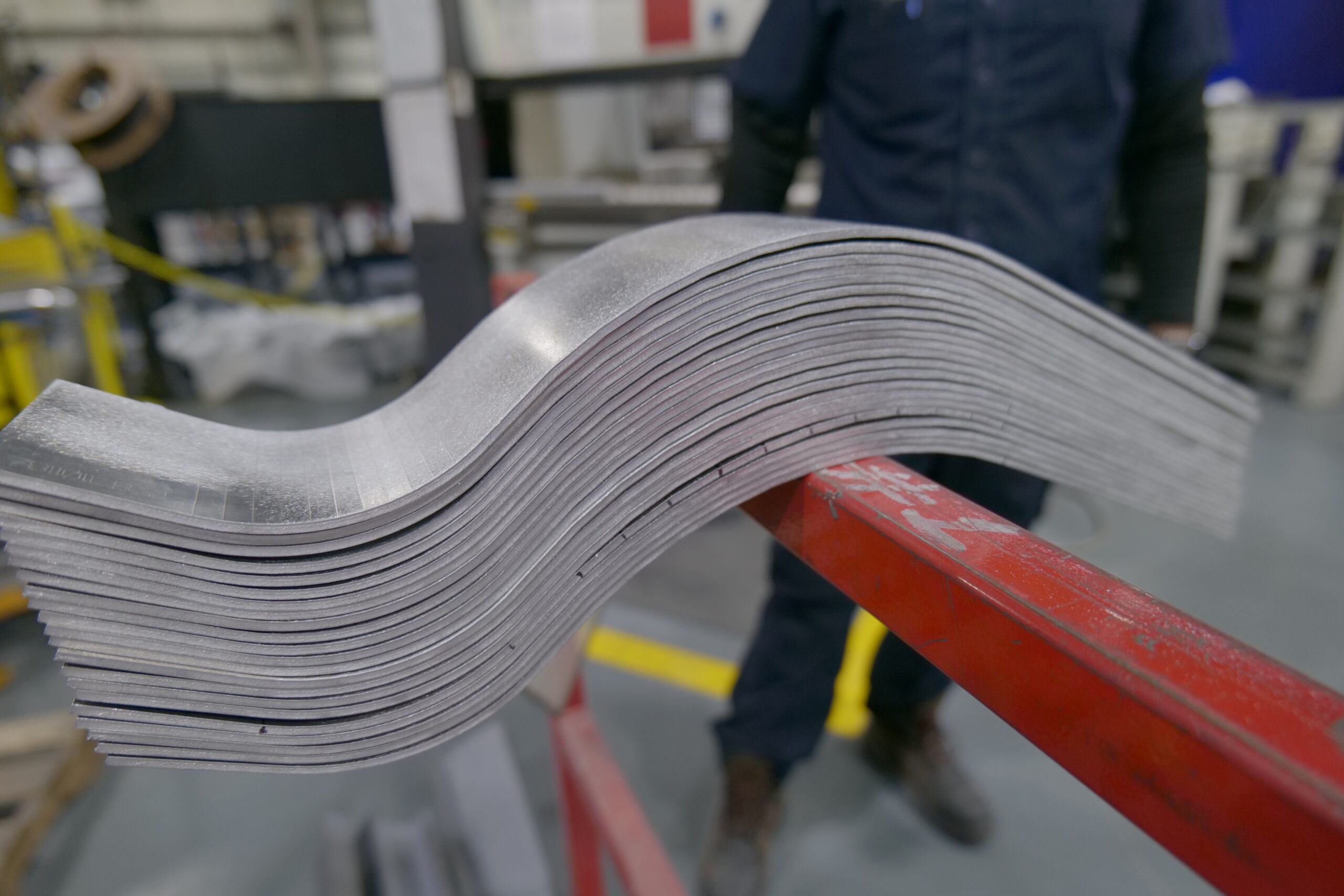
The process of creating curved plates involves specific manufacturing techniques. Rolling and bending are common methods used to achieve the desired curvature. These techniques require precise control to ensure uniformity and strength across the plate.
Welding and Joining
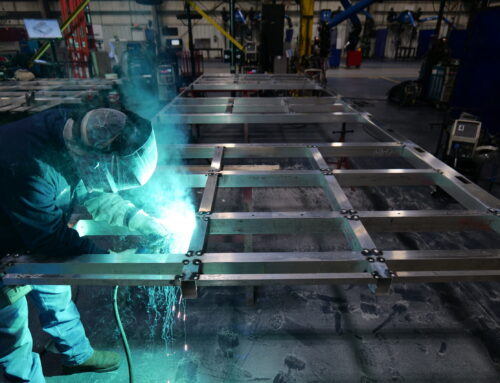
In custom metal manufacturing, welding and joining play crucial roles in creating durable curved plates. Proper welding techniques ensure that the plates maintain their structural integrity and can withstand various stresses without failing.
High-Strength Plates for Specific Applications
Industrial and Construction Uses
Curved plates are frequently used in industrial and construction settings. High-strength plates are essential for supporting heavy loads and providing structural stability in buildings, bridges, and machinery.
Marine and Aerospace Applications
In marine and aerospace industries, the need for lightweight yet durable materials is critical. High-strength curved plates made from materials like stainless steel and aluminum are often used due to their ability to resist corrosion and maintain performance in challenging environments.
Environmental Considerations
Corrosion Resistance
Environmental factors such as moisture and chemical exposure can affect the durability of curved plates. Choosing materials with high corrosion resistance, such as stainless steel, is vital for ensuring longevity in harsh conditions.
Temperature Tolerance
Materials used for curved plates should also be able to withstand temperature variations. Stainless steel and certain aluminum alloys are known for their ability to perform well under extreme temperatures, making them suitable for a wide range of applications.
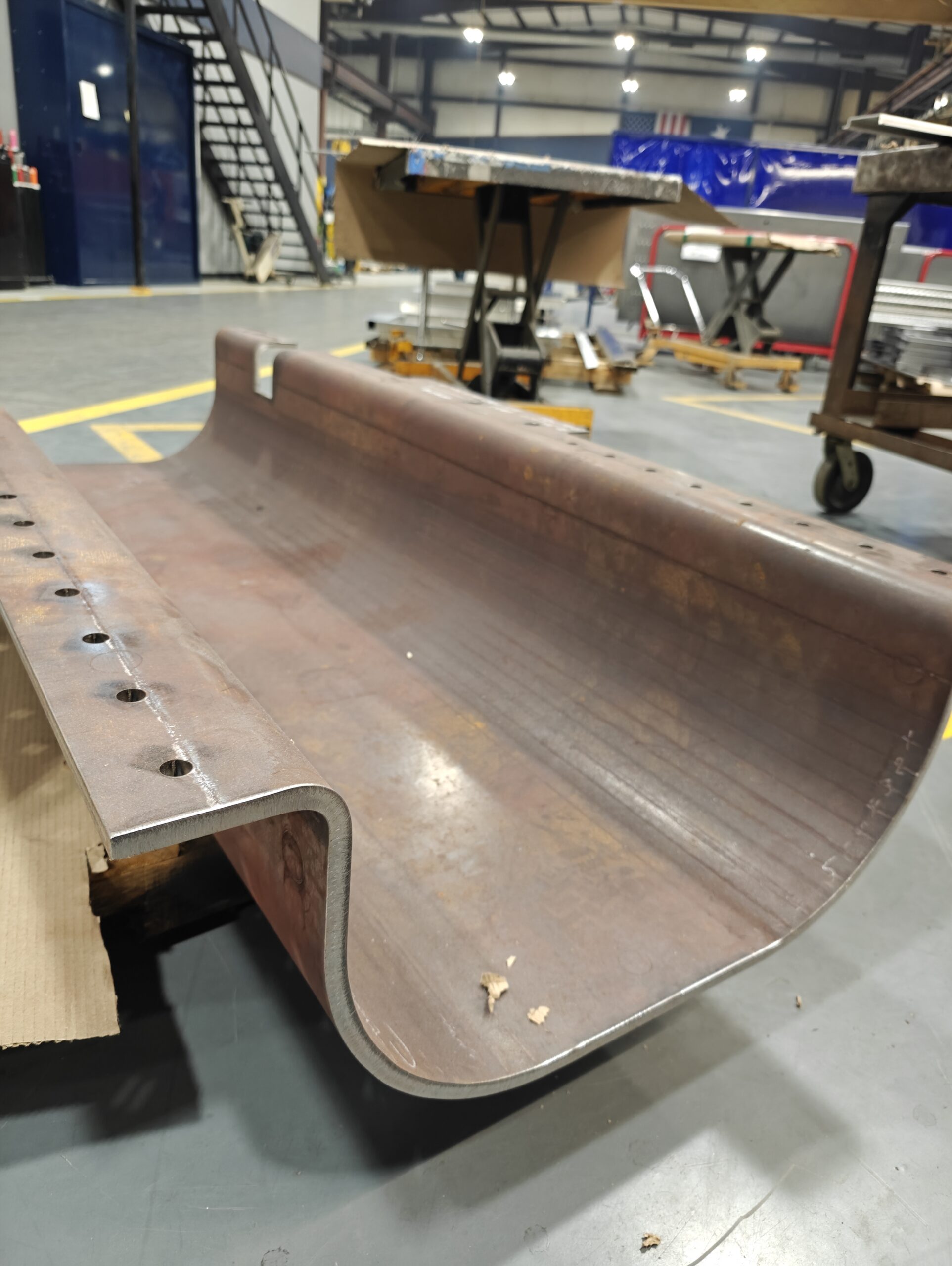
Conclusion: Selecting the Right Material
Choosing the right material for making durable curved plates depends on the specific requirements of your application. Stainless steel remains a top choice due to its strength and resistance to environmental factors. However, alternatives like carbon steel and aluminum also offer distinct advantages depending on the use case.
By understanding the properties and benefits of each material, you can make informed decisions that ensure the longevity and performance of your curved plates. Whether for industrial, marine, or aerospace applications, selecting the right material is key to achieving durable and reliable results.