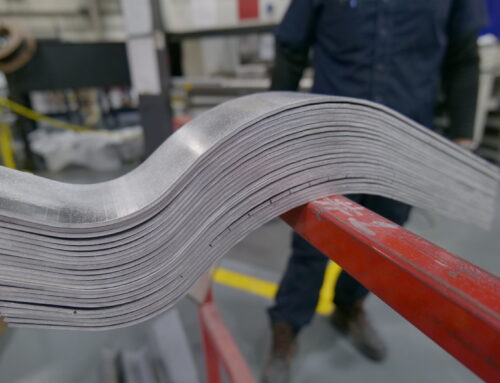
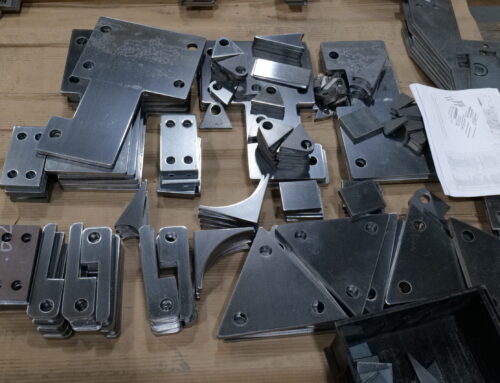
What materials are commonly used in metal fabrication
Metal fabrication is a fascinating process. It involves transforming raw metal into useful products. This process is essential in many industries.
Choosing the right materials is crucial. Each metal has unique properties and uses. Understanding these can lead to better product design.
Stainless steel, aluminum, and copper are popular choices. They offer strength, durability, and versatility. These metals are used in everything from appliances to aircraft.
Galvanized steel and specialty alloys also play key roles. They provide specific benefits like rust resistance and enhanced performance. These materials are vital in construction and manufacturing.
Selecting the right metal fabrication materials can impact cost and efficiency. It requires careful consideration of factors like strength and environmental conditions.
Understanding Metal Fabrication and Material Selection
Metal fabrication is the art of shaping metal to create structures or products. This involves techniques like cutting and bending. Selecting the right materials is a critical part of this process.
The choice of metal impacts the final product’s performance and cost. Factors such as weight, strength, and environmental resistance are important to consider. These factors influence the design and functionality.
Here’s a list of criteria to guide material selection:
- Corrosion resistance
- Strength
- Cost
- Weight
- Environmental suitability
Understanding these elements helps in choosing the best materials for your project. Proper selection ensures the durability and success of the fabricated product.
Carbon Steel: The Backbone of Fabrication
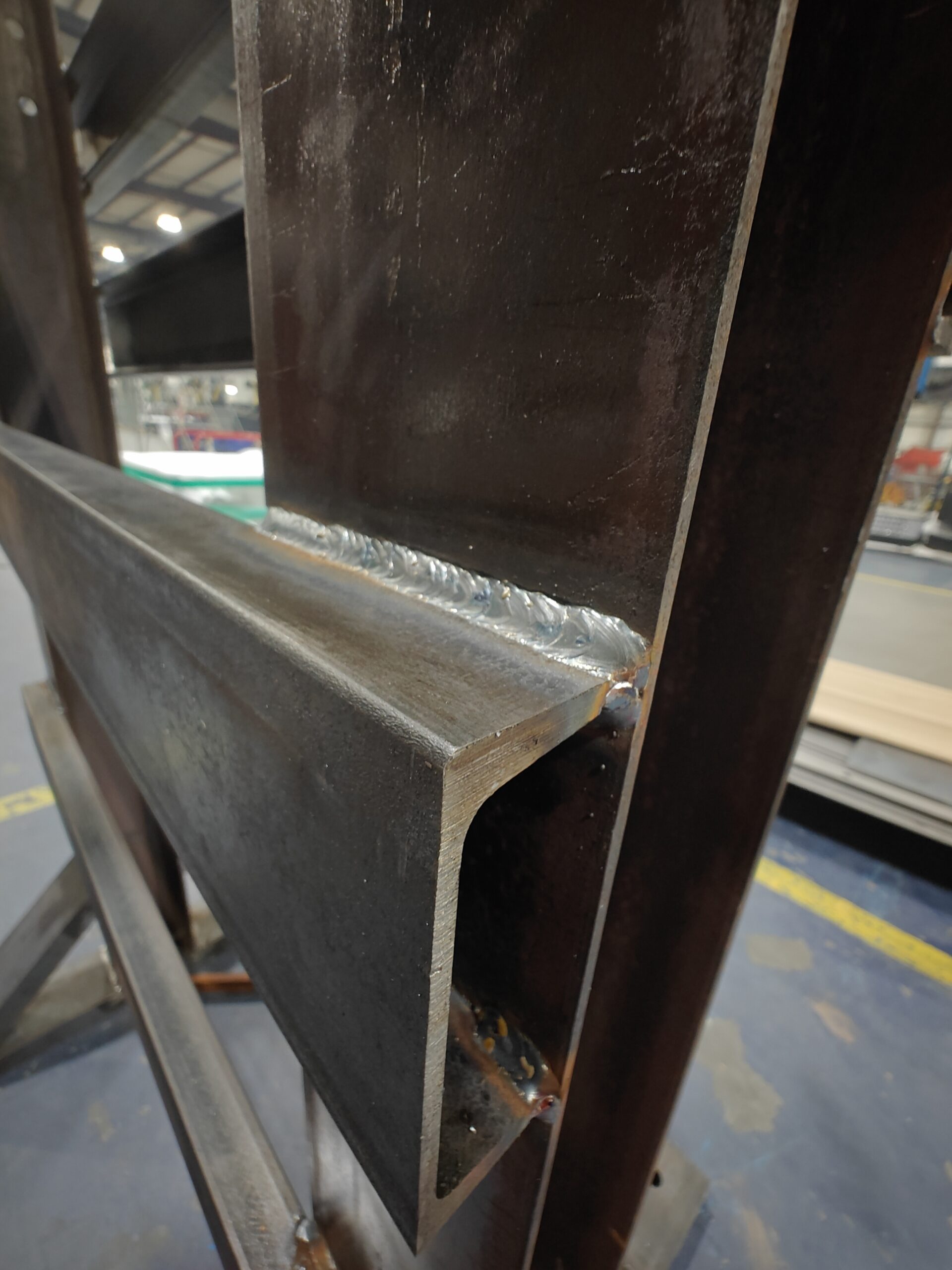
Carbon steel is a popular material in the metal fabrication industry. It’s known for its strength and affordability, making it a top choice for construction projects. Its widespread use underscores its importance in fabrication.
This material can be divided into three categories: low, medium, and high carbon. Each type offers specific properties suited to different needs. This versatility
allows carbon steel to adapt to various applications.
Here are the benefits of using carbon steel:
- High strength
- Cost-effective
- Versatile applications
- Easy to work with
Due to its robust properties, carbon steel remains a fundamental material in metal fabrication.
Its reliability ensures its ongoing demand in the industry.
Stainless Steel: Corrosion Resistance and Versatility
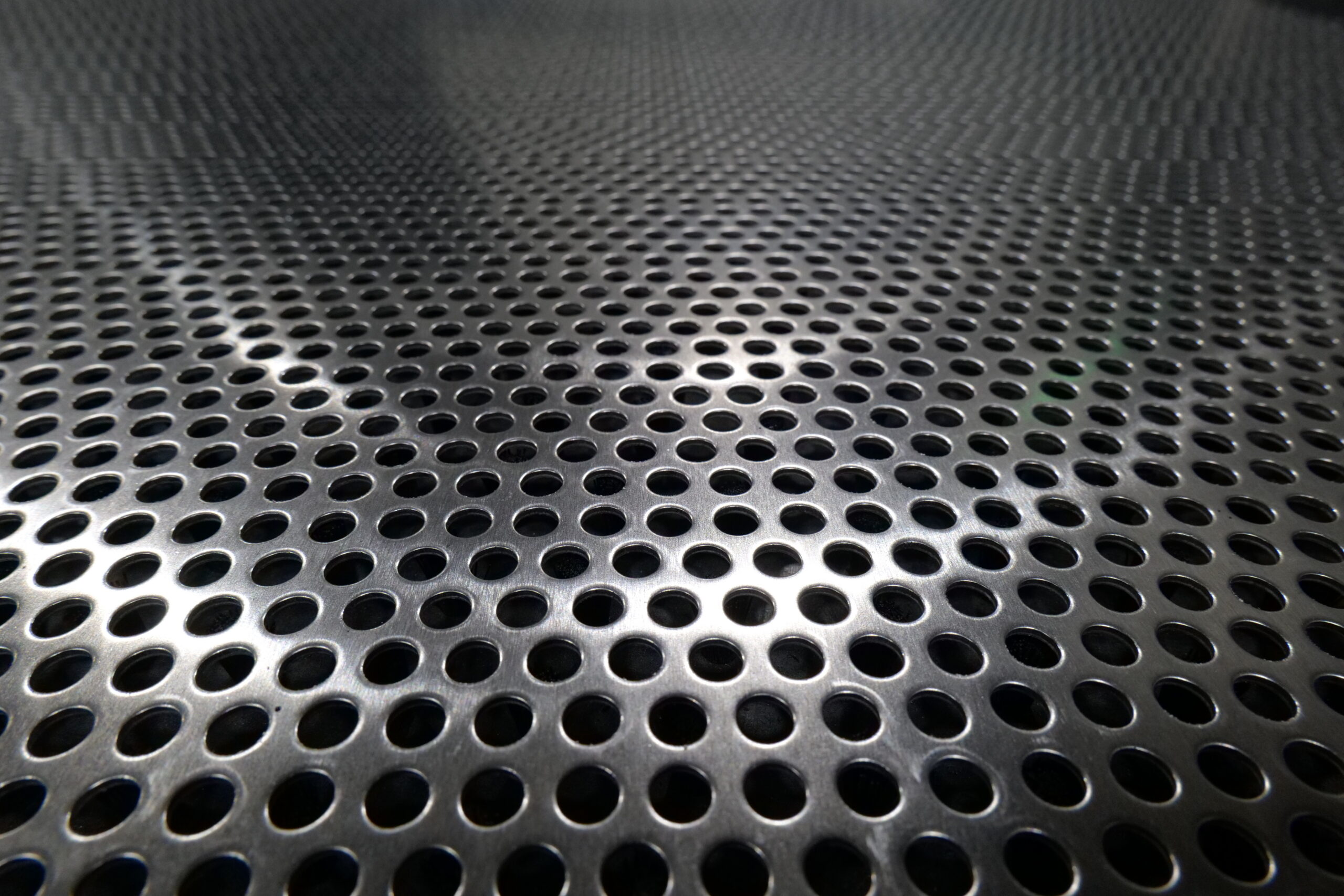
Stainless steel stands out in the metal fabrication industry due to its unique properties. Known for exceptional corrosion resistance, it’s ideal for environments that encounter moisture. This makes it a go-to material for many applications.
Beyond its resistance to rust, stainless steel is incredibly versatile. It is often used in kitchen appliances, medical equipment, and architectural designs. Its aesthetic appeal enhances its desirability.
Key advantages of stainless steel include:
- Corrosion resistance
- Wide range of applications
- Attractive finish
- Durable and tough
Many choose stainless steel for its attractive appearance and dependable performance across diverse sectors.
Aluminum: Lightweight and Strong
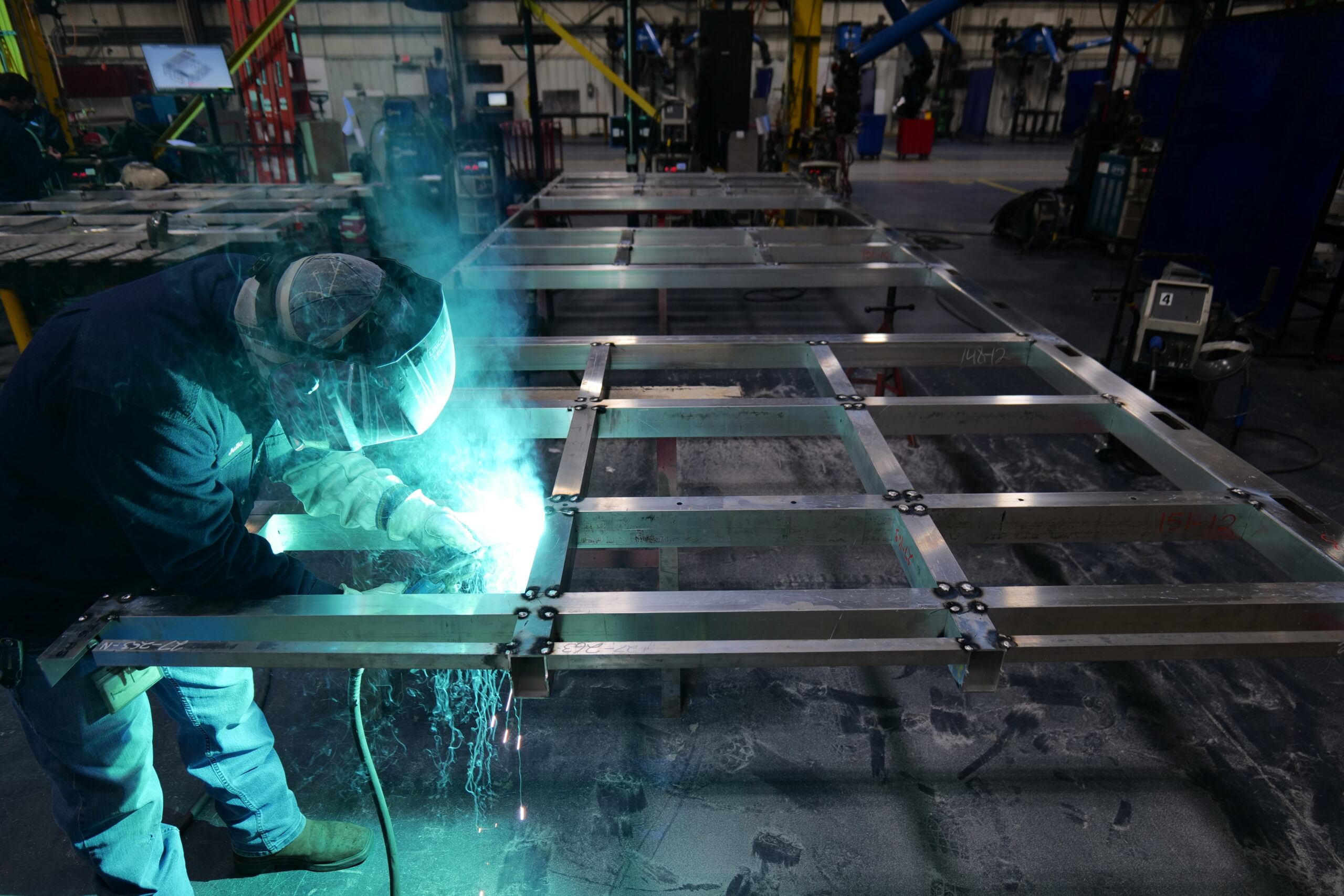
Aluminum offers a unique balance of strength and lightness, making it invaluable in modern fabrication. Its weight-saving properties do not compromise durability, essential in industries like aerospace and automotive.
Aside from its light weight, aluminum resists corrosion, an advantage in harsh environments. This property ensures long-lasting performance, even in outdoor or marine settings. Due to this, it’s widely used in shipbuilding and outdoor structures.
Additional benefits of aluminum include:
- Corrosion resistance
- Flexibility in design
- Recyclability
- High strength-to-weight ratio
These attributes position aluminum as a prime choice for applications requiring both strength and reduced weight.
Copper: Conductivity and Specialty Uses
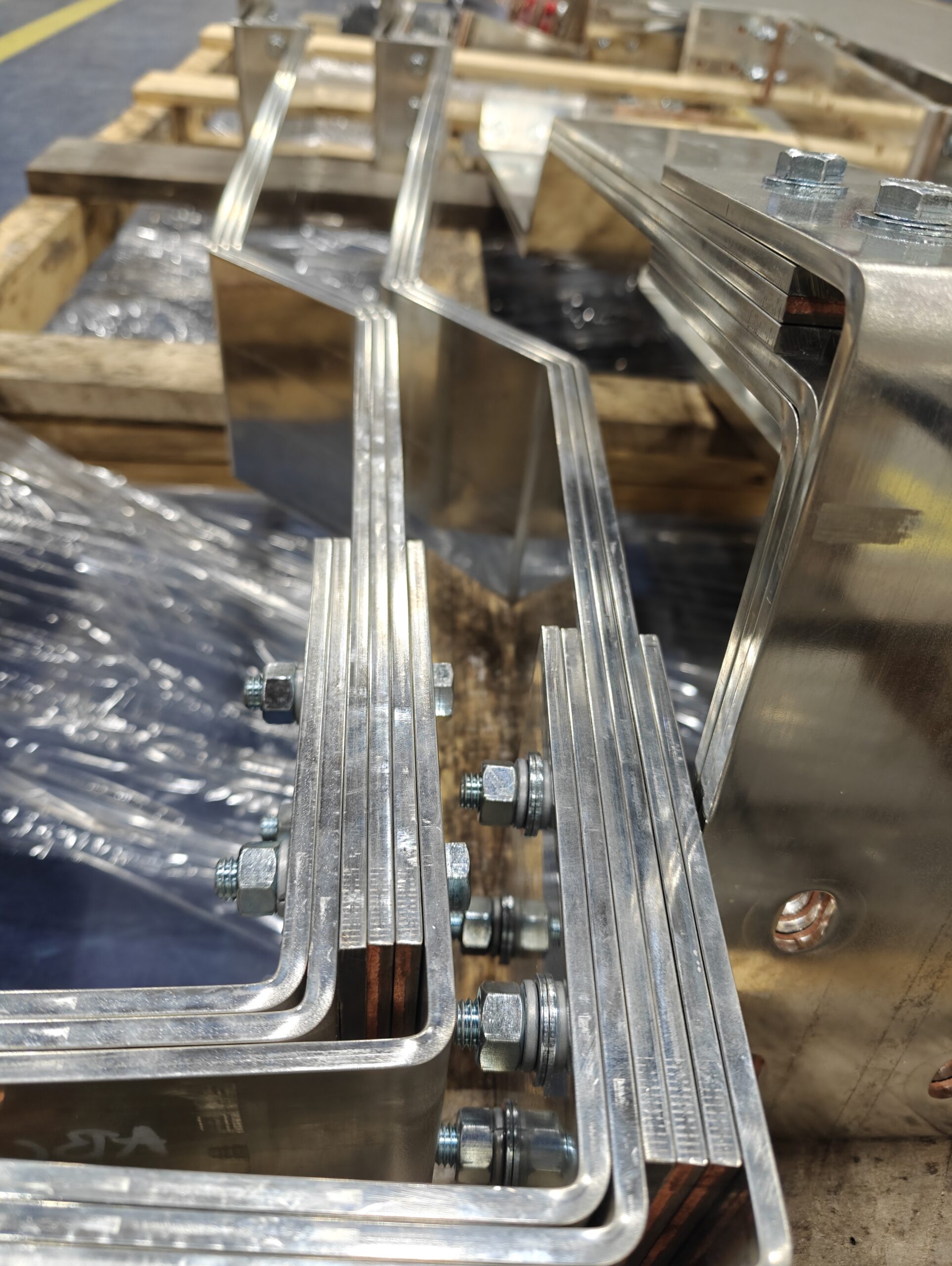
Copper stands out for its excellent electrical conductivity, setting it apart in the fabrication world.
This property makes it indispensable in electronics and electrical wiring, where efficiency is crucial.
In addition to its conductivity, copper boasts notable antimicrobial properties. These attributes make it valuable in hospitals and kitchens, promoting safer environments by limiting bacterial growth.
Other important aspects of copper include:
- Malleability and ductility
- Thermal conductivity
- Corrosion resistance
- Appealing aesthetic
Thanks to these features, copper serves both functional and decorative purposes in various industries.
Galvanized Steel: Durability for Outdoor Applications
Galvanized steel is an excellent choice for outdoor projects. It features a protective layer of zinc, which prevents rust. This makes it ideal for harsh environments.
Common uses include roofing, fencing, and outdoor fixtures. The extra durability ensures longevity, even in adverse conditions.
Key benefits of galvanized steel:
- Weather-resistant
- Low maintenance
- Cost-effective
With these advantages, galvanized steel remains a top pick for many construction and manufacturing tasks. Its resilience is hard to match.
Specialty Alloys: Engineered for Performance
Specialty alloys are tailored to enhance specific properties such as strength and heat resistance. They often include elements like nickel, titanium, and chromium. These metals are designed for high-performance applications.
Such alloys are crucial in aerospace, automotive, and industrial sectors. Their unique properties allow them to perform under extreme conditions.
Key characteristics of specialty alloys include:
- Enhanced strength
- High heat resistance
- Specific property customization
The technological advancement in alloy production promises even greater possibilities. This innovation continues to push the boundaries of what metals can achieve.
Sheet Metal Fabrication Materials: Types and Applications
Sheet metal fabrication materials include several types used across industries. These materials are known for their versatility and adaptability.
Industries like automotive and construction rely heavily on these sheet metals. They are essential in creating everything from car bodies to structural supports.
Common sheet metal fabrication materials include:
- Stainless steel
- Aluminum
- Carbon steel
Each material offers distinct advantages and is chosen based on specific requirements. The demand for sheet metal materials continues to grow with industrial advancements.
Choosing the Right Metal Fabrication Supplies
Choosing the right metal fabrication supplies is vital for any project. The correct selection ensures efficiency and quality.
Essential metal fabrication supplies include:
- Raw materials
- Tools
- Machinery
Consider factors like cost, availability, and specific project needs when selecting supplies. Quality tools and materials influence the success and lifespan of the fabricated products. Proper supplies also enhance safety and precision during fabrication.
Key Factors in Selecting Metal Fabrication Materials
Choosing the right metal involves several considerations. Each material offers unique properties ideal for particular uses.
Key factors to consider:
- Cost efficiency
- Weight and strength
- Corrosion resistance
- Environmental impact
Understanding these attributes helps in making the best choice. Weighing these factors ensures the material meets both practical and economic needs. Selecting the right material enhances the project’s success and longevity.
Conclusion: The Future of Metal Fabrication Materials
The future of metal fabrication is promising and driven by innovation. New materials and technologies offer exciting opportunities. Sustainability is increasingly important, guiding the development of eco-friendly solutions. Metal fabrication will continue to shape various industries worldwide.